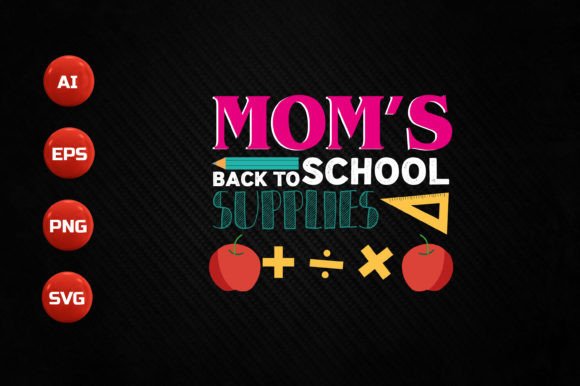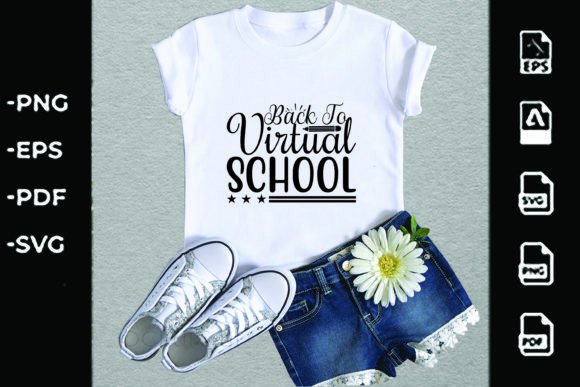
Back to School Svg Design, Back to Virtual: A Practical Guide for Creators and Entrepreneurs
For educators, artists, and small business owners, the phrase "Back to School Svg Design, Back to Virtual" has become more than just a seasonal trend—it's a powerful tool for creativity and efficiency. These digital design files are ideal for a wide range of applications, from scrapbooking to vinyl decals and printable decorations. But with so many options available, it's easy to make mistakes that can affect your results.
What Is Back to School Svg Design, Back to Virtual?
Back to School Svg Design, Back to Virtual refers to a collection of digital clip art files designed specifically for educational and creative purposes. The ZIP file typically includes multiple formats such as EPS, PNG transparent, SVG, and PDF. Each format serves different use cases, making these designs versatile for various projects.
Whether you're creating personalized school supplies, designing promotional materials, or crafting unique gifts, these files offer flexibility and high-quality output. However, understanding the differences between each format is crucial to ensure you get the best results.
Common Mistakes When Working With Back to School Svg Design, Back to Virtual
Many users overlook important details when selecting or using these design files. One common mistake is not checking the file format compatibility with their software or tools. For example, if you're using a cutting machine, an SVG file might be necessary, while a PNG may not work as well.
Another frequent error is assuming all designs are scalable without limitations. While SVG files are vector-based and should scale without loss of quality, some files may have embedded raster elements that don't maintain clarity at larger sizes. Always preview the design at different scales before finalizing your project.
Understanding File Formats
The ZIP file contains several formats, each with its own strengths:
- EPS: Ideal for professional printing and graphic design software.
- PNG Transparent: Great for web use and projects requiring a transparent background.
- SVG: Perfect for scalable graphics and digital cutting machines.
- PDF: Useful for sharing and printing high-quality documents.
Choosing the right format depends on your specific needs. If you're planning to print on fabric or create vinyl decals, SVG or EPS may be the best choice. For online use or social media, PNG or PDF could be more suitable.
How Mistakes Affect Your Projects
Using the wrong file format can lead to poor quality, wasted time, and even financial loss. For instance, if you download a design meant for a digital cutting machine but use it in a program that doesn't support SVG, you may end up with a distorted image or failed cut.
Additionally, some designs may not include all necessary layers or elements. If you're planning to use the design for iron-on transfers or engraving, missing components can result in incomplete or incorrect outputs. Always review the contents of the ZIP file carefully before starting your project.
Practical Tips for Better Results
To avoid common pitfalls, start by checking the file specifications and compatibility. If you're unsure about which format to use, look for tutorials or user reviews that explain how others have successfully used the design. Many creators share their experiences online, which can provide valuable insights.
Another helpful approach is to test the design on a small scale before committing to a larger project. For example, if you're planning to use the design for a batch of stickers, print a single sample first to ensure the quality meets your expectations.
Realistic Examples of Better Choices
Imagine you're creating custom backpacks for a back-to-school promotion. If you choose a PNG file instead of an SVG, you might encounter issues when applying the design to fabric. An SVG file, on the other hand, would allow for precise cuts and better durability.
Or consider a scenario where you're designing invitations for a virtual classroom event. Using a PDF version of the design ensures that the layout remains consistent across different devices and printers, avoiding misalignment or formatting errors.
What to Check Before Making a Decision
Before downloading or purchasing Back to School Svg Design, Back to Virtual files, ask yourself a few key questions:
- What is the intended use of the design?
- Which file format will work best with my tools or software?
- Are there any additional elements or layers I need to consider?
- Can I test the design before using it on a large scale?
By answering these questions, you'll be better equipped to make informed decisions and avoid costly mistakes.
Conclusion: Make Informed Choices for Better Outcomes
Back to School Svg Design, Back to Virtual offers a wealth of creative possibilities, but success depends on careful selection and proper application. By understanding the nuances of file formats, testing your designs, and considering your specific needs, you can maximize the value of these digital assets.
Whether you're a teacher, artist, or entrepreneur, taking the time to evaluate your options will lead to better results, greater efficiency, and more satisfaction in your projects.